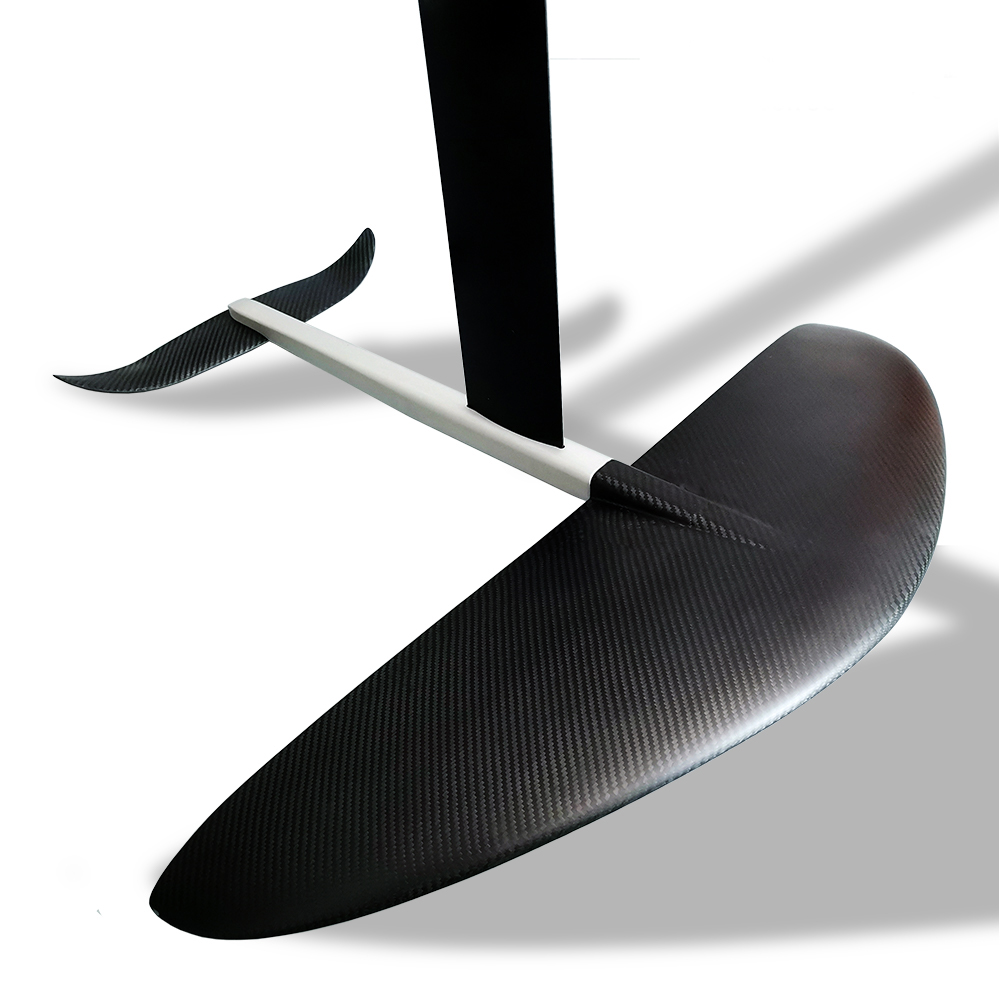
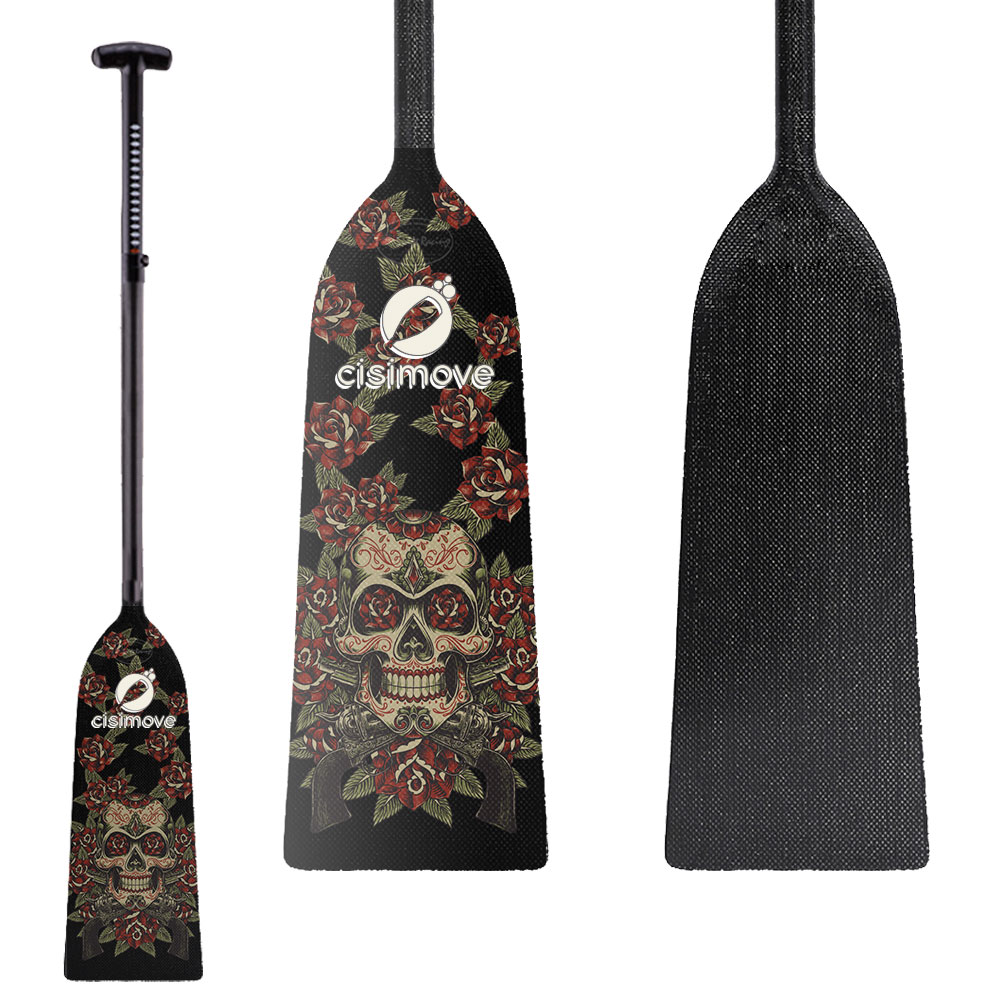
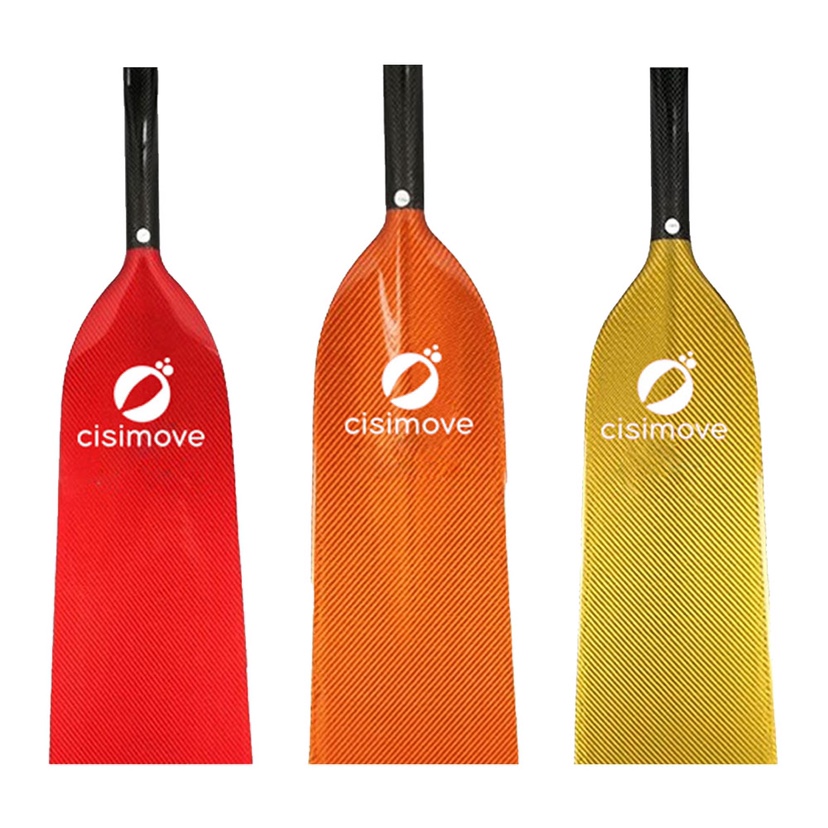
Hangzhou Lin Jie Technology Co.,ltdAbout UsZhentai Building,Bingjiang District,Hangzhou City,Zhejiang Province,310052,ChinaHangzhou Lin Jin Technology Company is specialize in making water sports field. We are able to making paddles,hydrofoil and spare parts.Try to make good product and competitive price is our big power." We have been experienced in water sports area for over 7 years. We have invested in several manufacturers at both Zhejiang and Guangdong Provinces.We have our own molds for our products and we have confidence in price competition. Knowing what you need is our goal.Thanks for your trusting.Customer's request is our request.Hangzhou Lin Jie Technology Co.,ltdAbout UsZhentai Building,Bingjiang District,Hangzhou City,Zhejiang Province,310052,ChinaHangzhou Lin Jin Technology Company is specialize in making water sports field. We are able to making paddles,hydrofoil and spare parts.Try to make good product and competitive price is our big power." We have been experienced in water sports area for over 7 years. We have invested in several manufacturers at both Zhejiang and Guangdong Provinces.We have our own molds for our products and we have confidence in price competition. Knowing what you need is our goal.Thanks for your trusting.Customer's request is our request.Hangzhou Lin Jie Technology Co.,ltdHangzhou Lin Jie Technology Co.,ltdHangzhou Lin Jie Technolog
Canoeing Still Water Event of The 14th National Games Starts
27/11/2021
On September 22, the canoeing still water project competition of the 14th National Games was launched in Shaanxi water sports management center in Yangling, Shaanxi Province. The competition will be held in Shaanxi water sports management center from September 22 to 26 for 5 days. A total of 23 teams, 398 athletes and 445 boats from all over the country participated in the event. Among them, sun Mengya and Xu Shixiao, the women's 500m double rowing champion in still water of the 2021 Tokyo Olympic Games, Liu Hao and Zheng Pengfei, the runner up of men's 1000m double rowing, and Liu Hao, the runner up of men's 1000m single rowing, will participate in the competition.
The event includes men's 200m single kayak, 500m double kayak, four person kayak and double rowing, and men's 1000m single kayak, double kayak, single rowing and double rowing; Women's 200m single kayak, single rowing, women's 500m single kayak, double kayak, four person kayak and double rowing will produce 14 gold medals.
At more than 8:00 this morning, the game officially began. On the track, athletes hold kayaks and paddles, like soldiers on the March, full of fighting spirit and ready to go. As the starting sound sounded, the athletes made full use of their strength, waved their oars, shook their arms, split the waves and cut the waves. The kayaks rushed out and flew forward like an arrow, and the waves splashed on the track in an instant. The cheering of the spectators on both sides of the bank, one higher than the other, inspired them to move forward bravely and draw beautiful scenery on the track.
It is understood that the canoeing still water race includes two kinds of rowing: rowing and kayaking. Rowers kneel on one leg and square step on the other leg. They ski only on one side of the boat, either left or right. In kayaking competition, athletes use sitting position and double blade paddle to slide, and water skiing is carried out on both sides of the boat in turn. Kayakers steer with their feet. Rowing boats have no rudder, so athletes must use oars to control direction. Unlike rowing, rowers and kayakers are moving forward. Rowers move their backs forward.
 English
 Deutsch